

20 Practical Tips for Living Below Your Means: A Guide for Mums
In this post, I give you tips on how you can live below your means however if you prefer to watch rather than read you can watch the video over on my YouTube video which you can watch here
Hi there, I'm Rachel from Solo Mum to One. In this post, I’m sharing some helpful tips on how you can live below your means. I know everyone talks about this, but it can feel overwhelming especially in times like these, where every penny seems to be stretched. The aim here is to help you begin living below your means by keeping it simple and realistic with changes that fit seamlessly into your life.
Number One - Define Your “Why”
Start by Asking Yourself Why You Want to Live Below Your Means. Understanding your motivation will help you stay focused on your financial goals. Perhaps you’re saving for a special occasion, a dream holiday, a wedding, or a down payment on a new home. Or maybe you’re working to reduce debt, build an emergency fund, or simply cover your daily expenses more comfortably. Whatever your reason, being clear about your “why” will make each budgeting decision easier.
It’s much easier to say no to an impulse buy or a luxury when you keep a long-term goal in mind. Whether it’s for a significant life event, financial peace of mind, or a secure future, a personal “why” will keep you on track, making sacrifices feel worthwhile rather than restrictive.
Number Two - Create a Budget
Creating a budget can feel intimidating, especially if you’re new to managing finances. But budgets are essential for gaining clarity and control over your money. A well-structured budget helps you see exactly where your income is coming from and where it's going each month, giving you insight into your financial habits and helping you identify areas for improvement.
Whether you’re managing finances as a single parent or overseeing a shared household income, a budget ensures that every penny is accounted for and works to support your financial goals. A budget provides a roadmap for both short and long-term financial goals, from covering daily expenses, building savings or paying off debt. A budget empowers you by showing you how to use your income effectively, helping you achieve greater financial stability and confidence in the future.
Number Three - Prioritise your Savings
When your income comes in, make a habit to set aside even a small amount for savings before spending on non-essentials. This “pay yourself first” approach ensures that you’re consistently building toward your financial goals, no matter the amount. This can be £5 or £50 it will all help towards growing your savings.
Developing this habit not only strengthens your financial foundation but brings a sense of accomplishment and security as you see your savings increase. The habit of saving consistently helps you move closer to financial stability and resilience.

Number Four - Consider downsizing if possible
Could you reduce your living expenses by downsizing your living space or vehicle? If you have a large home with unused rooms, moving to a smaller property could be a wise financial choice. This will lower your monthly expenses, such as mortgage or rent and utility bills and reduce the time and energy needed to maintain your home.
Similarly, consider a more affordable car that suits your needs better. If you have an expensive vehicle with high running costs or high car repayments, opting for a smaller, budget-friendly car could relieve a significant financial strain. A more economical vehicle can serve your daily needs whilst minimising fuel costs, insurance, and maintenance expenses.
Deciding to downsize, allows you to save toward other financial goals, creating a more manageable and sustainable lifestyle.
Number Five - Cut Costs by Cooking at Home and Making Dining Out a Treat
Dining out can be a fun experience, but it often comes with a hefty price which adds up quickly. Choosing to cook at home more frequently can significantly reduce your expenses and still enjoy delicious meals. Revisit some favourite childhood recipes, they’re often comforting, easy to make, and can bring a bit of nostalgia to your meals. Or set a goal to try one new recipe a week, which adds variety and excitement to meals.
If you miss your favourite takeaway meals, try recreating them at home as a “fakeaway.” Many recipes online offer healthier and more affordable versions of popular takeout dishes, allowing you to enjoy these flavours without breaking the bank. Keep dining out as a special treat for occasional nights out. Cooking at home supports your budget and gives you more control over ingredients, nutrition, and flavour, a win-win for your wallet and well-being.
Number Six - Use Cash to Stay on Budget and Save Spare Change
Using cash instead of cards can be a great tool for keeping spending in check. When you set aside a specific amount of cash for certain expenses, it creates a physical limit that makes it much easier to stay within your budget. A credit or debit card can feel limitless whereas cash sets a boundary, once it's gone, it's gone. This approach encourages you to be more mindful of prices, allowing you to evaluate purchases more carefully, ensuring each item is worth the spend.
Not only does cash help control spending, but any leftover change can also go directly into your savings. Even small amounts can add up over time and contribute to a growing savings fund.
Number Seven - Avoid Lifestyle Inflation
Got a Pay Raise? It’s tempting to spend more as your income increases. But if you can keep your lifestyle and expenses steady, with a pay raise, you’ll set yourself up for a more secure future. Instead of letting “lifestyle inflation” eat up your extra income, put it toward savings, investments, or paying down debt.
By resisting the urge to upgrade your lifestyle immediately, you’re giving yourself a buffer and building up a financial cushion that can bring you peace of mind. That extra money can help you achieve long-term goals like homeownership, a family holiday, or even early retirement.
Maintaining your current standard of living allows you to build financial security without feeling stretched each month. It’s a powerful way to take charge of your finances, giving yourself more options and flexibility for the future.
Number Eight - Review Your Subscriptions for Extra Savings
Take a closer look at your current subscriptions and assess which ones you use and enjoy. From streaming services to magazines and gym memberships, these recurring charges can quickly add up, without us realising just how much they impact our monthly expenses.
Identify the subscriptions that add value to your life and support your goals. If there are any you rarely use or could do without, consider cancelling them. Reducing these ongoing costs can free up a surprising amount of money each month, which can then be redirected toward savings or other priorities.

Number Nine - Switch to Generic Brands for Smart Savings
You might be surprised by how well generic items can match the taste and function of their branded counterparts. Whether it’s food, cleaning products, or household essentials, store-brand or no-name versions often deliver the same quality at a fraction of the cost. Give them a try,you may find they meet your needs without the hefty price tag.
This switch doesn’t mean sacrificing quality but rather spending smarter. Small savings on everyday items can add up significantly over time, giving more room in your budget.
Number Ten - Consider a Reliable Used Car to Save Big
Choosing a well-maintained, used car can be a smart financial move, often costing much less than a brand-new vehicle and sparing you from high monthly payments.
When buying a used car, prioritise safety, reliability, and features that match your needs. Do your research, and perhaps have a trusted mechanic check it out before purchasing. With a little care, a used car can be a dependable, budget-friendly option that supports your financial goals without compromising on quality.
Number Eleven - Explore Better Rates on Utilities to Save
Take a close look at your current bills for essentials like gas, electricity, and internet. Often, there are better deals available, and a quick call to your provider could lead to some great savings. Many providers offer discounts for loyal customers or match competitor rates if you ask.
If your current provider can’t offer a competitive rate, consider switching to a different company. Many utility and internet providers have special rates for new customers, so shopping around or using a comparison site could lower your monthly bills significantly.
Number Twelve - Shop with a List
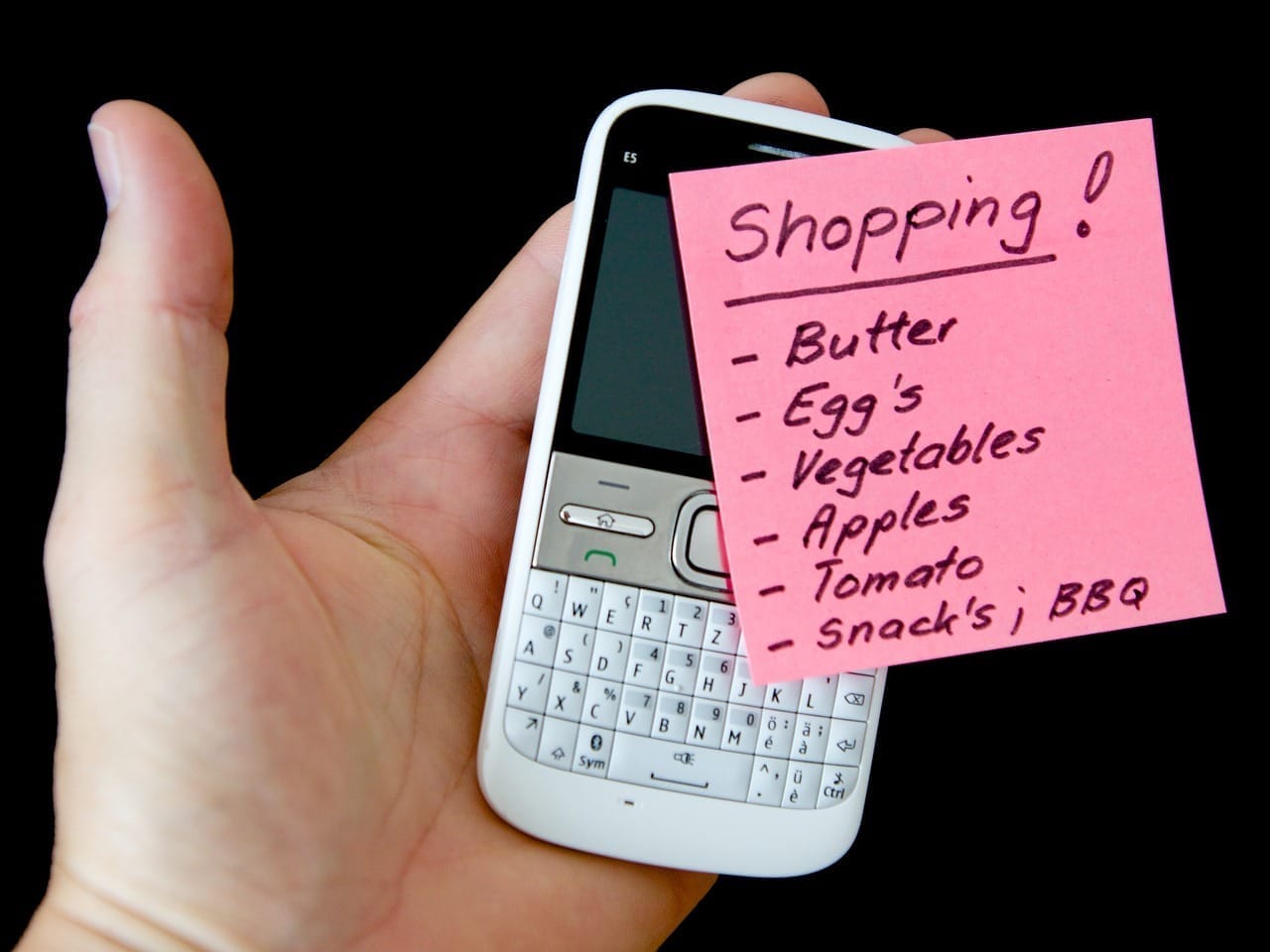
Before heading to the store, make a list of exactly what you need, and check your cupboards, fridge and freezer to see what you already have. Shopping with a list helps you stay focused and keeps impulse buys at bay, ensuring you’re only spending on essentials. This helps you stick to your budget and minimises food waste by avoiding duplicates or items you might not use.
Having a list can make your shopping trips faster and less stressful, plus, you’re more likely to stick to your meal plan and avoid the temptation of pricey, unplanned extras.
Number Thirteen - Declutter Your Space for a Clear Mind and Extra Savings
Taking the time to declutter your home can bring more than just tidiness, it can refresh your mindset and even give your finances a little boost. When you reduce clutter, your surroundings become easier to navigate, creating a calmer, more organised atmosphere that can benefit your mental well-being.
As you sort through items you no longer need or use, consider selling or donating them. Selling items online or locally can bring in extra cash to put directly into savings, while donations can go to those who could benefit from them. Decluttering offers a cleaner, more spacious home while building a stronger financial foundation.
Number Fourteen - Enjoy Free Community Events and Make Outing’s More Special
Instead of spending on movies, shows, or concerts every time you want entertainment, explore free community events in your local areas. Many neighbourhoods offer free movie nights, music festivals, fairs, and cultural events that provide a fun way to get out without spending much, or anything at all. Check community centres, churches and your local museums. Checking out these local places can introduce you to new activities and help you feel more connected to your community.
When you do choose to spend on a paid event, it will feel like a special treat. Embracing these free activities can save money and make those occasional outings all the more memorable.
Number Fifteen - Repair Before Replacing to Save Money
Before deciding to replace broken or worn items, consider if a quick repair or a simple refresh could bring them back to life. Learning to fix things yourself can not only help with saving money but can also be a valuable life skill. Alternatively finding a local repair service can be surprisingly affordable and keeps your items in use longer.
For larger investments like appliances and vehicles, regular maintenance, such as cleaning, servicing, or oil changes, helps prevent breakdowns and extends their lifespan which ultimately saves you money in the long run. By focusing on maintenance and repair, you reduce waste, make the most of what you own, and delay costly replacements.

Number Sixteen - Pause Before Non-Essential Purchases to Avoid Impulse Spending
There is a general rule when it comes to non-essential purchases, which is to give yourself a few days to think it over to ensure it is something you need, want and have the funds for. Pausing before buying gives you time to decide if it’s something you truly need or simply a momentary desire.
If, after a few days, you still feel it’s worth buying, take some time to search for discounts or sales to ensure you’re getting the best possible deal. This habit not only curbs impulse buys but also helps you make more thoughtful choices, keeping you on track with your budget and saving money over time.
Number Seventeen - Discover Hidden Savings in Charity Shops and Online Marketplaces
Charity shops and online marketplaces offer amazing deals on pre-loved items, making it easy to find quality clothing, furniture, and other essentials for a fraction of the price. These places are goldmines for gently used goods that still have plenty of life left. Shopping secondhand not only stretches your budget further but also gives unique finds a second chance, often adding charm and character to your wardrobe or home.
Shopping preloved items will help put extra cash into your savings, doing this all through the year and especially at Christmas is where you are going to find some great gift ideas.
Number Eighteen - Maximise Savings with Cashback Apps and Loyalty Programs
Cashback apps and loyalty programs can make a real difference in your budget over time. By checking for deals before shopping online, it can often lead you to finding vouchers or discounts that reduce your costs immediately.
Many cashback apps offer a percentage back on purchases, which adds up, especially on frequent buys. Loyalty programs also reward you for sticking with brands you love, sometimes with points you can use toward future purchases or perks. Supermarkets reward cards can offer some great discounts and offers. Making a habit of using these tools whenever possible means you’re saving money on things you’d buy anyway, giving your budget a boost in the long run.
Number Nineteen - Negotiate for Lower Rates with Service Providers
Don’t hesitate to ask your service providers for a better rate, whether it’s for your phone, internet, insurance, or even utility services. Often, a quick call or chat can unlock special rates or promotional offers that save you money.
Many companies are willing to match competitors’ rates to keep loyal customers, so it’s always worth inquiring if they have discounts available. By regularly reviewing and renegotiating these costs, you can potentially lower your monthly expenses, freeing up more funds for savings or other priorities.
Number Twenty - Avoid Credit for Non-Essential Purchases
Try to avoid relying on credit for things you don’t absolutely need. When you use cash or a debit card for non-essential purchases, you’re making sure you spend only what you have which helps you avoid those interest fees and any unnecessary debt.
Paying with cash or directly from your account keeps you within budget and encourages mindful spending, for you to better prioritise what really matters for your future. By reducing your credit use, you can improve your financial health and stay more in control of your money.
Living below your means might feel challenging at first, but by making small, consistent changes, you’ll start seeing a positive impact on your finances. These 20 tips are here to help you take control of your money so you can focus on what matters most.
I hope you have found this helpful, please let me know if you have.
Until next time
Rachel
Written by: Rachel Cole